
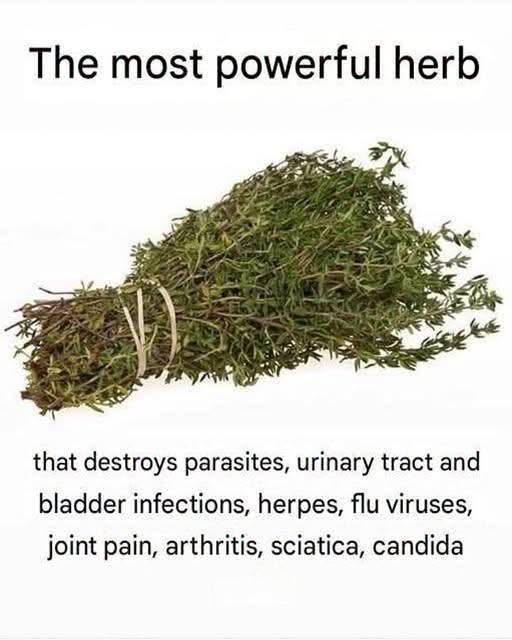
Before you rush out to buy supplements, the "catch" is that these are potent substances that require careful handling.
For Oregano Oil:
-
Not for indefinite use: Taking oregano oil is generally not recommended for long periods. Overuse can disrupt your gut microbiome. It is often recommended in cycles, like taking it for up to 5 days and then taking a break .
-
Dilution is key: Oil of oregano is extremely concentrated and should never be taken undiluted . Always follow product instructions and consider taking it with a carrier oil like olive oil.
-
Side effects and interactions: It can cause stomach upset . People with allergies to plants in the mint family (Lamiaceae) may also be allergic to oregano. It is considered possibly unsafe in medicinal amounts during pregnancy .
For Uva Ursi:
-
Short-term use: Due to concerns about hydroquinone, it is generally recommended that uva ursi should not be used for longer than 2 weeks .
-
Avoid in certain conditions: It should not be used by children, people who are pregnant or chestfeeding, or those with liver or kidney disease .
🧐 Wormwood and the "Most Potent" Claim
It's also important to mention Wormwood, another herb often cited in these viral recipes . While it has recognized anti-parasitic properties , it is also notably toxic and carries significant liver risks . Its inclusion in a broad "cure-all" recipe is a strong reason to be skeptical of such over-hyped headlines.
💎 Conclusion
So, is there one "most potent herb"? Not really. The science points to Oil of Oregano as a leading candidate with the most compelling and broadly researched evidence for both parasite and UTI concerns . Uva ursi is a more specialized herb with a stronger historical tradition for UTIs, but with less definitive modern evidence .
Ultimately, "most potent" doesn't mean "best for everyone." The safest and most effective approach is to view these herbs as powerful tools that require respect. Always consult with a doctor, especially if you are in your 70s or taking other medications, before using them to treat a medical condition. They are a supplement, not a replacement for medical care.
