
ADVERTISEMENT
Got peonies? 9 critical things you must do this May to support heavy blooms before they flop over
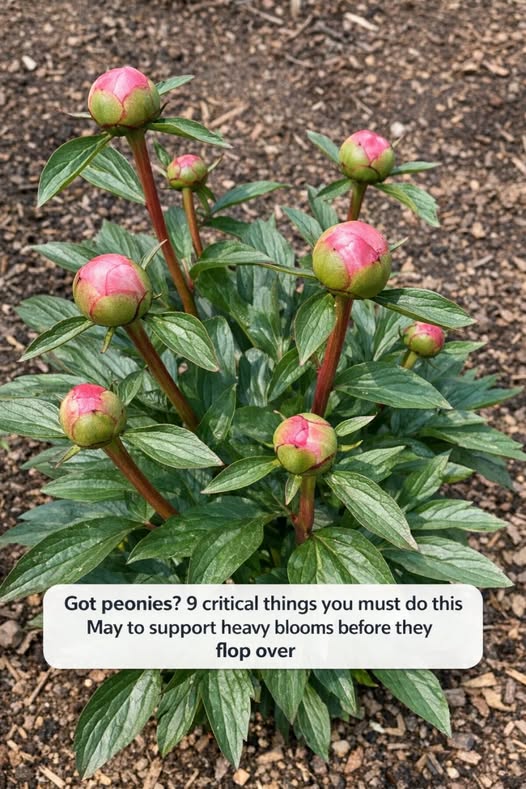
5. Pinch and Thin Buds to Prevent Flopping and Boost Bloom Size
Pinching and thinning buds can help reduce the weight on each stem and improve air circulation. Select the central bud of each cluster to keep, and remove the side buds with your fingers or scissors. This encourages larger blooms and helps prevent overcrowding. Perform this task when the buds are about the size of a pea for best results.
6. Tackle Ants, Botrytis, and Other May Threats Early
Ants are often attracted to peony buds due to the sweet nectar they produce. While ants don’t harm peonies, they can be a nuisance. To keep them at bay, gently wash the buds with a mild soap solution. Botrytis blight is another threat, especially in damp conditions. To prevent it, ensure good air circulation and apply a fungicide if necessary, following the manufacturer’s instructions.
7. Mulch Smartly to Keep Roots Cool Without Smothering Crowns
Mulching is beneficial for peonies, as it helps retain moisture and keep the roots cool. Use organic mulch, such as shredded bark or straw, and apply a 2-3 inch layer around the plants. However, be careful not to cover the plant’s crown, as this can lead to rot. Leave a small circle of bare soil around the base of the plant to allow it to breathe.
8. Correct Any Planting or Crowding Issues While You Still Can
If your peonies are struggling due to overcrowding or incorrect planting depth, May is a good time to address these issues. Peonies should be planted with their eyes (buds) no more than 1-2 inches below the soil surface. If necessary, carefully lift and replant the peony at the correct depth. Ensure each plant has at least 3 feet of space from its neighbors to allow proper air circulation and growth.
9. Train Peonies for Vase-Worthy Stems With Strategic Cutting
To encourage strong, straight stems for cutting, selectively prune some stems throughout the growing season. Cut stems early in the morning when they’re well-hydrated, and use sharp, clean shears to make angled cuts just above a leaf node. This practice not only encourages new growth but also helps shape the plant for a bushier form and more blooms in the future.
