
Your starter is strong enough when:
- It rises consistently after feeding
- It passes the “float test” (a spoonful floats in water)
- It smells fresh, slightly sour, and yeasty
🔄 Common Troubleshooting
😴 No bubbles?
Try a warmer spot or slightly warmer water.
🤢 Bad smell?
You may need to discard and refresh more often.
🧊 Not rising?
It may still be developing—give it more time.
🔥 Pro Tips for Success
- Keep your starter in a warm place (around 75–85°F / 24–29°C)
- Use consistent feeding times
- Always discard before feeding to keep balance
- Switch to whole wheat flour briefly if it slows down
- Don’t rush it—slow fermentation builds better flavor
❤️ Final Thoughts
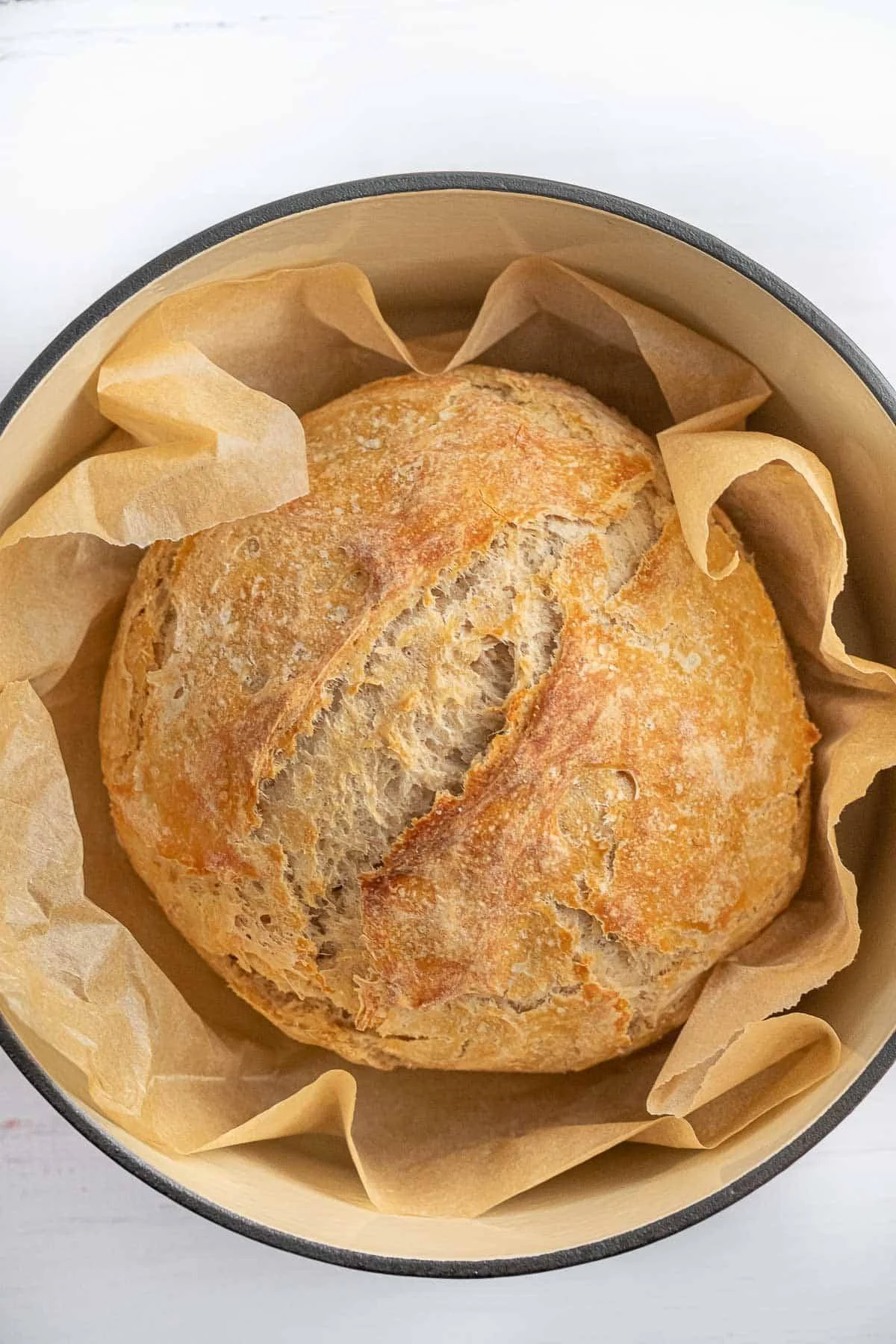
Making a sourdough starter is less about perfection and more about patience. You’re literally growing something alive in your kitchen—a natural culture that will eventually help you bake crusty, flavorful, bakery-style bread at home.
It may take a few days (or even a couple of weeks), but once it comes to life, you’ll have a baking companion that can last for years with proper care.
And the best part? Every loaf you bake will carry a little piece of your own kitchen’s history. 🍞✨
