
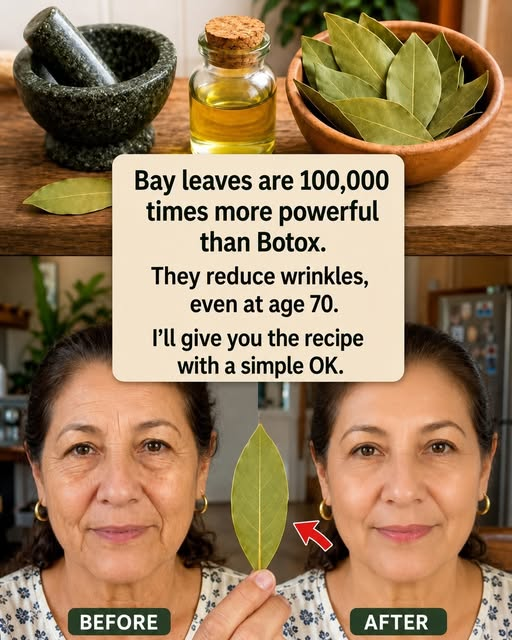
Anti-aging misinformation thrives because aging is emotionally charged. People are often looking for:
- Quick solutions
- Affordable alternatives
- “Natural” options instead of clinical treatments
Social media amplifies any content that promises dramatic transformation. Once a claim like “wrinkles disappear overnight” enters circulation, it gets repeated, repackaged, and exaggerated further.
Bay leaves, green tea, toothpaste, lemon juice—many ordinary substances have been falsely promoted as miracle anti-aging cures at some point.
What actually works for wrinkles
If we step away from myths and look at evidence-based skincare, wrinkle reduction typically involves:
1. Sunscreen (most important)
UV exposure is the leading cause of premature skin aging.
2. Retinoids
Vitamin A derivatives that increase collagen production and cell turnover.
3. Moisturizers
Help maintain skin barrier and reduce the appearance of fine lines.
4. Vitamin C
Supports antioxidant protection and collagen synthesis.
5. Professional treatments
Such as laser therapy, chemical peels, microneedling, and Botox (for expression lines).
These approaches work gradually and biologically—not instantly or magically.
The key misunderstanding behind the “Botox alternative” narrative
The biggest misconception is that all wrinkles are the same. They are not:
- Expression lines come from muscle movement (Botox can help)
- Static wrinkles come from collagen loss (topicals help modestly)
- Deep folds come from structural aging (require advanced treatments)
A single herb cannot address all of these mechanisms.
Final perspective
Bay leaves are a useful culinary herb with mild biological activity, but they are not a substitute for dermatological treatments, nor do they have any verified ability to erase wrinkles or outperform Botox.
The idea that they are “100,000 times more powerful than Botox” is a marketing-style exaggeration with no scientific basis. At best, bay leaf preparations may offer gentle, temporary cosmetic effects like soothing or light toning. At worst, they create unrealistic expectations about skin aging.
Real skincare is slower, more layered, and less dramatic than viral claims suggest. It relies on consistent protection, scientifically studied ingredients, and—when appropriate—medical treatments that directly target the biological causes of wrinkles.
