
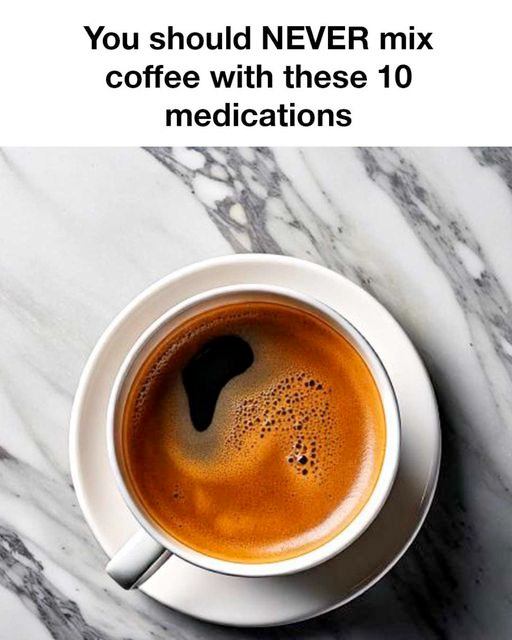
| Medication / Drug Class | Interaction Type | Risk Level |
|---|---|---|
| Levothyroxine (thyroid) | Reduced absorption | 🔴 High |
| Blood pressure drugs | Reduced effectiveness | 🟡 Moderate |
| Fluoroquinolone antibiotics | Caffeine toxicity buildup | 🔴 High |
| MAOIs (antidepressants) | Blood pressure spike risk | 🔴 High |
| Theophylline (asthma) | Additive stimulant effects | 🟡 Moderate |
| Bisphosphonates (bone) | Drastically reduced absorption | 🔴 High |
| Warfarin (blood thinner) | Altered metabolism | 🟡 Moderate |
| Iron supplements | Reduced iron absorption | 🟡 Moderate |
| Stimulant medications (ADHD) | Additive stimulant effects | 🟡 Moderate |
| Sedatives / sleep aids | Reduced sedative effect | 🟡 Moderate |
---
Does Decaf Coffee Have the Same Effect?
Decaffeinated coffee still contains small amounts of caffeine — typically 5 to 15mg per cup compared to 80 to 100mg in regular coffee. For most interactions, this is not enough to cause significant problems. However, the acidity of decaf can still affect absorption of certain medications in the stomach. Drugs like levothyroxine and bisphosphonates should ideally be taken with plain water only, regardless of whether you choose decaf or regular.
---
Practical Tips for Coffee Drinkers on Medication
- Wait at least 30–60 minutes after taking most medications before drinking coffee, unless your doctor says otherwise.
- Take morning medications with plain water — never with coffee, juice, or milk.
- Tell your pharmacist about your coffee habits when picking up a new prescription. They are an underused resource for this kind of practical advice.
- Stay consistent. Suddenly drinking much more or much less coffee than usual can shift how your body processes certain drugs, particularly warfarin.
- Read the medication leaflet. Many drug information sheets mention caffeine or coffee specifically under "food interactions."
- Consider switching to herbal tea in the mornings if you take multiple medications and are concerned about interactions.
---
Frequently Asked Questions
---
Final Thoughts
Coffee is not the enemy of good health — but it is not a neutral bystander when medications are involved. The good news is that most coffee-drug interactions are entirely manageable with simple timing strategies. A brief wait between your pill and your cup is usually all it takes.
The most important step is awareness. Now that you know which medications are most affected, you can have a more informed conversation with your doctor or pharmacist and make adjustments that let you keep enjoying your coffee without compromising your treatment.
When in doubt, ask your pharmacist. It is one of the most underused sources of practical, personalized medication advice available to you — and the conversation is free. ☕
